
he most striking image of Kaka in a Real Madrid shirt is not a goal。a celebration, or a trophy lift. It is the sight of him sprinting through the middle at the Bernabeu, hair flying, defenders trailing, during that brief 2009-10 season when he still moved like the Milan Kaka. He arrived for €65 million, a Ballon d'Or winner, and left four years later with a La Liga title and a reputation that never quite matched the price tag. That gap, between what he was and what Madrid needed him to be, is the real story of Kaka at Real Madrid.
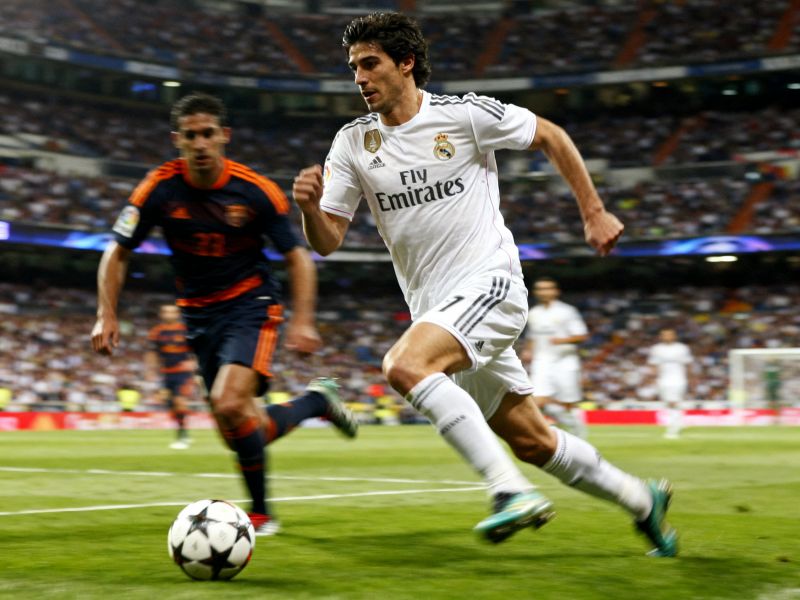
His first season was a slow burn. A knee injury picked up at the 2009 Confederations Cup delayed his integration under Manuel Pellegrini, and by the time he found rhythm, the team was already drifting. I remember a Champions League night against Marseille—Kaka scored a penalty。then faded. It was a pattern. He would glide past one man, then another, and then the third would catch him. La Liga defenders learned to sit deep and close the space he needed to accelerate into. In Serie A, he had room to run. In Spain, the pitch shrank. That tactical shift, more than any physical decline, explains why his numbers dipped: 8 league goals in his first season, then 7, then 5.Jose Mourinho's arrival in 2010 changed the dynamic. Mourinho admired Kaka's professionalism but built his midfield around Xabi Alonso, Sami Khedira, and Mesut Ozil. Kaka became a rotation player。a substitute for the big nights. There is a telling moment from the 2011-12 title run: Kaka started only 12 league games but still contributed 5 goals and 4 assists, often as a second-half catalyst. He never complained publicly. Teammates described him as the most devout, most disciplined presence in the dressing room—first to arrive, last to leave, even when his body refused to cooperate. That quiet resilience is underrated in the Kaka Real Madrid narrative, which too often reduces him to a expensive misfit.What gets lost is how good he was in flashes. The 2011-12 Clasico at the Bernabeu: Kaka came on, drove at the Barcelona defense。and won a penalty that Cristiano Ronaldo converted. The 2010-11 Copa del Rey final: his extra-time run created the space for Ronaldo's header. These were not the acts of a finished player. They were the acts of a player whose body could no longer sustain 90 minutes at elite intensity but whose football brain remained sharp. Watching him live, you noticed the small things—the way he checked his shoulder before receiving a pass, the way he slowed down to let a defender commit, then accelerated past. Those details rarely made highlight reels, but they explained why Mourinho trusted him in tight games.Kaka left for AC Milan in 2013, a shadow of the player who had arrived. His Real Madrid career reads like a cautionary tale about timing, injuries, and tactical fit. But it also reads as something more human: a world-class athlete confronting his own decline in public, handling it with grace。and still producing moments of beauty. That is the Kaka Real Madrid deserves to remember—not the price tag, not the missed steps, but the elegance that never fully disappeared.